

Clause G of the Lease: What Every Landlord Should Know
· 3 min read
Clause G requires the landlord to state, at the time of signing, the lowest rent paid during the 12 months before the lease starts, or the rent set by the Tribunal during that period. For an owner…
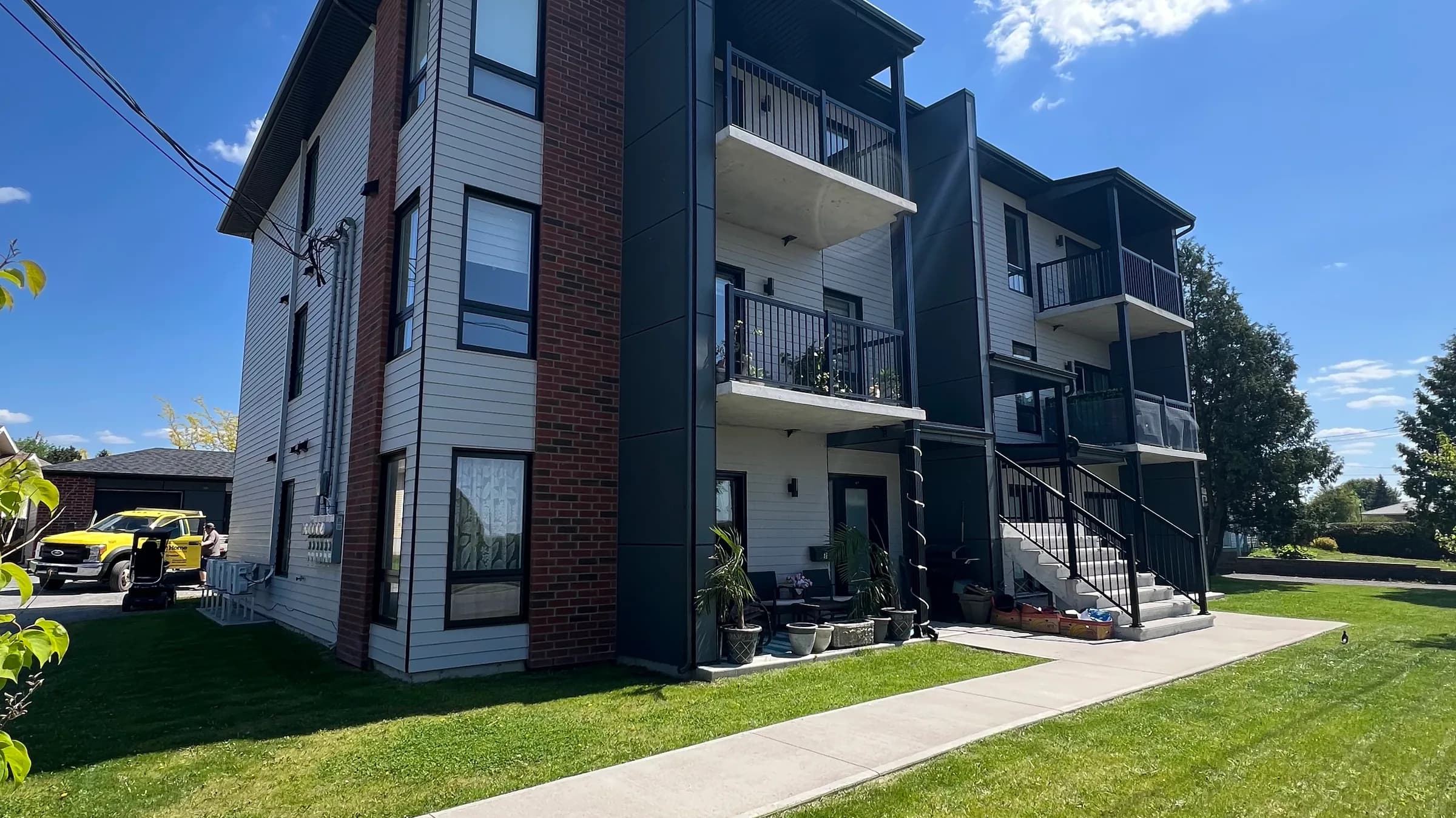
Clause G of the lease requires the landlord to state, at the time of signing, the lowest rent paid during the 12 months before the new lease begins, or the rent set by the Tribunal during that period. For an owner with several buildings, a mistake in this section can open the door to a rent-setting application.
Clause G in Victoriaville: What a Property Owner Needs to Understand
For an owner who holds several buildings in Victoriaville and the Centre-du-Québec area, clause G isn't just an isolated administrative detail. It fits into the same file as keeping the rental history up to date, unit maintenance and upkeep, and, if a dispute arises, representation before the administrative housing tribunal. A portfolio of multiple units multiplies the number of leases signed each year, and with it, the number of times this clause needs to be filled out correctly.
When management is handled in-house, without a clear system to track the actual rent paid on each unit over 12 months, the risk of error grows along with the number of units. This is exactly the type of file where structured management makes a real difference.
What Section G Actually Requires
The rule rests on three elements that must be documented precisely for each unit:
- The lowest rent actually paid during the 12 months before the new lease is signed.
- The rent set by the Tribunal during that same period, if applicable.
- If no rent was paid for that unit in the last 12 months, a separate notice indicating the last rent paid and its date.
This last situation directly affects owners with multiple units: a unit sitting vacant for several months doesn't remove the disclosure obligation, it just changes its form. The exact deadlines and requirements can change depending on the current version of the form, so it's essential to check the wording in effect with the Tribunal administratif du logement before each signing.
The Risks for an Owner Managing Several Buildings
The main risk isn't the clause itself, it's what it triggers if it's filled out incorrectly or left out. A tenant who notices a gap between the rent stated and the actual rental history can ask the Tribunal to set the rent. The more units and lease renewals a portfolio has, the more this risk repeats, file after file.
For an owner who still handles leasing, tenant selection and rent collection on their own, this clause adds to an already heavy workload: tracking leases, increase notices, statements, and sometimes eviction files. This is often the point where self-managing stops being a form of control and becomes an obstacle instead.
How to Keep Your Leases and Files in Order
A well-kept rental file relies on three simple habits, ones that are rarely applied consistently across a multi-building portfolio:
- Recording the rent actually paid for each unit, month by month, not just at renewal time.
- Checking clause G before each signing, not after.
- Keeping written proof of any notice given to the tenant, including notices tied to major work.
This kind of documentation discipline is exactly what sets structured property management apart from an informal approach. For an owner who wants to regain control of their files without picking up every call and emergency themselves, a quote request helps assess what full-service management can cover, from the lease right through to maintenance.
Common Mistakes to Avoid With Clause G
- Relying on the most recently billed rent instead of the lowest rent actually paid over 12 months.
- Forgetting the separate notice when the unit was vacant.
- Not checking whether a rent had been set by the Tribunal during the relevant period.
- Treating clause G as a signing formality rather than as something that protects both the tenant and the landlord.
These mistakes tend to repeat themselves because they only become visible once a dispute arises, by which point it's too late to fix the lease. Other topics related to rental management are covered on the blog, for owners who want to get their files in order before problems show up.
Frequently asked questions
What does clause F of the residential lease mean?
Clause F appears elsewhere in the official lease form and doesn't deal with the same subject as clause G. Since the exact content varies depending on the version of the form in effect, it's best to check its wording directly with the Tribunal administratif du logement rather than rely on a general interpretation.
What pitfalls should be avoided when signing a lease?
The most common pitfall is entering the most recently billed rent in clause G instead of the lowest rent actually paid over the previous 12 months. Another common mistake is forgetting the separate notice required when the unit was vacant before signing.
Am I allowed to refuse a rent increase?
A tenant can refuse a proposed increase, which triggers a process governed by the Tribunal administratif du logement rather than an open negotiation. The landlord then has to follow the required procedure, which often calls for a well-documented file to support the proposed amount.
How can a landlord repossess their unit?
Repossessing a unit is governed by specific conditions and deadlines set out in the law, and a procedural mistake can invalidate the whole process. This type of file is best prepared with guidance from someone familiar with the rules that apply before the Tribunal administratif du logement.
How does Gestion Morin help owners with multiple units in Victoriaville handle clause G?
Gestion Morin keeps the rental history of each unit up to date so clause G is filled out correctly on every new lease, handles maintenance and upkeep for units across the portfolio, and takes care of representation before the administrative housing tribunal if a dispute comes up. This kind of follow-up is meant for owners with several buildings in Victoriaville and the Centre-du-Québec area who want their files kept in order.