

Multi-Residential Project Management: Renovating a Rental Portfolio Without Losing Control
· 4 min read
Multi-residential project management calls for a single point of contact who can bridge leasing, maintenance, and renovations. In Victoriaville, Gestion Morin offers full property management for multi-unit buildings…
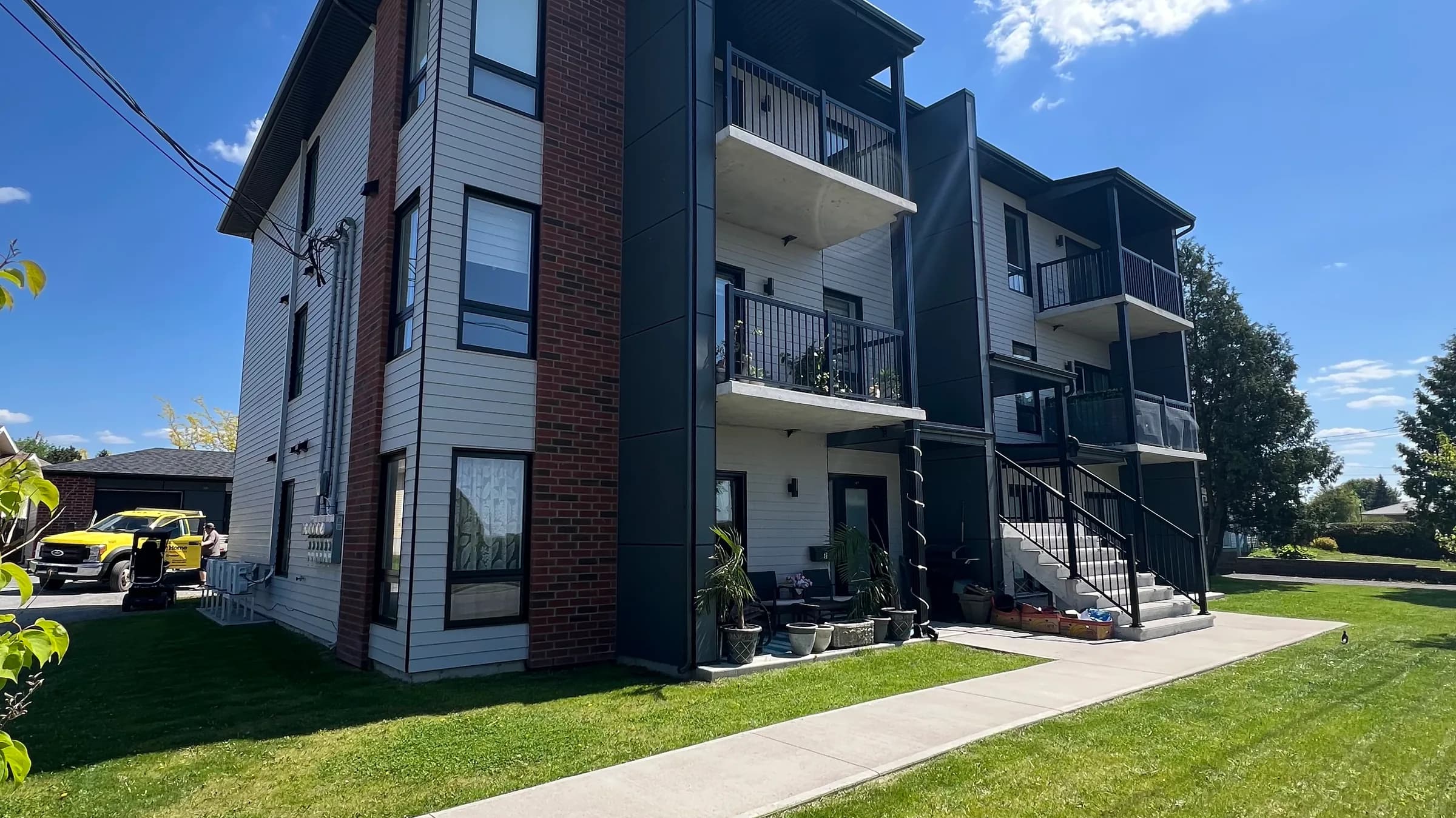
Multi-residential project management calls for a single point of contact who can bridge leasing, maintenance, and renovations. In Victoriaville, Gestion Morin offers full property management for multi-unit buildings that combines a solid grasp of landlord-tenant law with an RBQ construction contractor licence, so your renovation work stays in-house and your files stay compliant.
Why a rental portfolio calls for a different kind of project management than a single building
An owner with just one duplex can often keep track of repairs from memory. But once a portfolio includes several buildings, the number of leases, notices, maintenance schedules, and simultaneous job sites quickly outgrows what one person can manage without a proper structure in place.
Multi-residential project management rests on three elements that need to work together:
- Centralized tracking of leases and deadlines by building, not just by unit.
- Work planning that takes into account occupancy and obligations toward existing tenants.
- Thorough documentation, useful in case of a dispute or a municipal inspection.
It's this coordination, more than the sheer volume of work, that sets managing a portfolio apart from managing a single building.
Who's responsible for major repairs versus routine upkeep
The split in responsibilities between landlord and tenant remains a common source of confusion. As a general rule, routine upkeep of the unit falls to the tenant, while major repairs, including the structure, roof, mechanical systems, and bringing the building up to code, fall to the landlord.
This distinction has a direct impact on planning: a manager needs to know ahead of time which jobs are predictable (roofing, windows, heating systems) and which come up as emergencies (water damage, breakdowns). A well-structured multi-residential project management plan accounts for both scenarios, with a preventive maintenance budget alongside the capacity for quick intervention.
The legal framework governing your renovations and tenant notices
Any renovation in an occupied building also touches on landlord-tenant law. A lease generally renews automatically at term, at the same rent and for the same duration, unless the landlord gives written notice, for instance for a rent increase. Standard notice forms exist for certain steps, such as repossession of a unit, and must be used with precision, without assuming that a rent increase or an eviction is automatically permitted in any given situation.
Obligations don't stop at the lease. A municipality can also require a landlord to restore a deteriorated or unsanitary building to proper condition, and can regulate certain projects that transform a rental portfolio, such as conversion into divided co-ownership. A renovation file that's poorly prepared, whether on notices or deadlines, exposes the landlord to recourse before the Tribunal administratif du logement. That's why multi-residential project management can't be limited to the job site itself: it needs to build in the legal mechanics around it from the planning stage onward.
Why keep renovations in-house through an RBQ licence
Most property managers subcontract renovations to outside contractors, which multiplies the number of parties involved, lengthens communication delays, and creates grey areas around who's accountable for the work. Gestion Morin holds RBQ construction contractor licence 5825-5258-01, which allows planning, execution, and follow-up on renovations to stay in-house rather than being handed off to a third party.
For a portfolio owner, this means:
- One single party responsible for leasing, maintenance, and renovations, instead of a chain of subcontractors.
- Work scheduled around existing leases, not just around an outside contractor's availability.
- A documented work history, building by building, useful for portfolio value and for any regulatory review.
How full property management simplifies coordinating the work
Full property management for multi-unit buildings brings together leasing, tenant screening, rent collection, maintenance, emergencies, and landlord obligations under one roof. For an owner who's still managing their buildings themselves in Victoriaville, Drummondville, or Trois-Rivières, this means handing off calls, complaints, late rent, and work coordination to a team that already knows the file for each building.
This continuity directly makes multi-residential project management easier: a manager who already knows the leases, the tenants, and the condition of the building can plan a renovation without starting from scratch on every job site. To find out whether your portfolio is ready for this kind of support, you can request a quote or check out other articles on our blog to dig deeper into the legal and technical sides of building management.
Related reading:
Frequently asked questions
What is multi-residential project management?
Multi-residential project management is the coordination of renovations, maintenance, and landlord obligations across an entire portfolio of buildings, rather than building by building. It requires centralized tracking of leases, work schedules, and legal documentation.
What does the full property management service for multi-unit buildings offered in Victoriaville include?
It's a service that handles leasing, tenant screening, rent collection, maintenance, emergencies, and landlord obligations across a property portfolio. It's designed for owners of several buildings, not a single duplex.
Who pays for major repairs in a rental building?
According to Gestion Morin, as a general rule, major repairs and bringing a building up to code fall to the landlord, while routine upkeep of the unit falls to the tenant. The exact split can vary depending on lease terms and the nature of the work.
Why keep renovations in-house instead of subcontracting them?
An RBQ construction contractor licence allows work to be planned and carried out without relying on an outside subcontractor, which reduces communication delays and centralizes accountability. Gestion Morin holds RBQ licence 5825-5258-01 for this purpose.
What notices do I need to give tenants before a renovation or a rent increase?
According to Gestion Morin, the Tribunal administratif du logement governs the written notices required for a rent increase or certain steps such as repossession of a unit, and publishes standard forms for this purpose. Each situation needs to be assessed under the rules in force, without assuming that an increase or an eviction is automatically permitted.