

Managing Tenant Emergencies in Rental Buildings: The Full Process
· 4 min read
placeholder
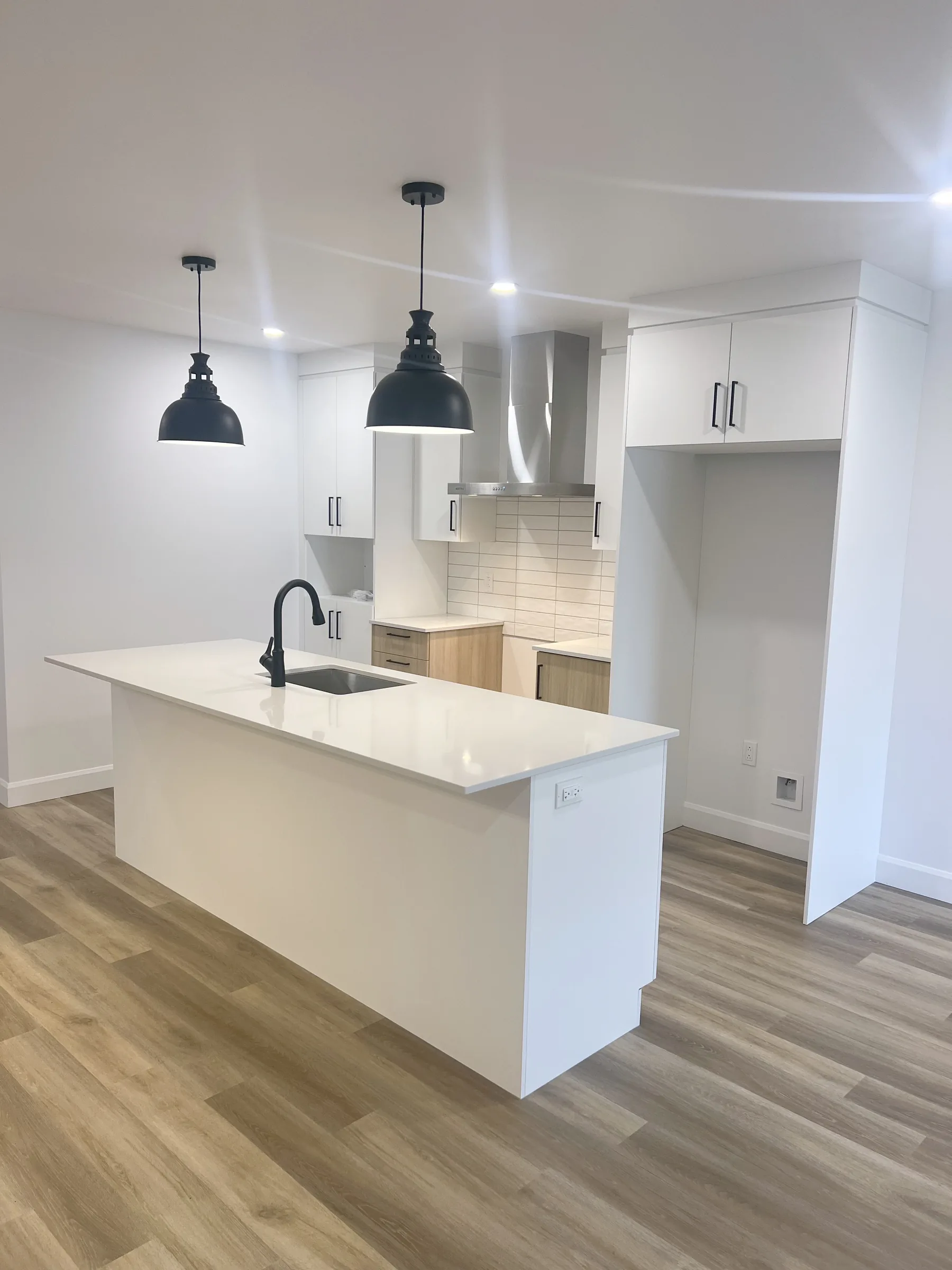
Managing tenant emergencies in a rental building relies on a precise protocol: immediate reporting, thorough documentation, qualified intervention, and a written follow-up on the file. For a property owner in Centre-du-Québec, this process determines whether a file stays a simple repair or slides into a case before the Tribunal administratif du logement. Gestion Morin handles this whole chain, from the first call to the closing of the file.
What a rental emergency actually means
An emergency isn't just an annoying complaint. It's a situation that threatens the preservation of the building, the safety of occupants, or the normal use of the unit. An active water leak, a heating breakdown in winter, or a door that no longer locks fall into this category. Chipped paint or a noisy neighbour does not.
This distinction matters because a tenant is required to notify their landlord as soon as possible upon noticing a defect or significant deterioration, whether the situation is urgent or not. A landlord who doesn't structure how these reports are received risks delays that quickly become a legal problem, not just a technical one.
The response protocol, step by step
At Gestion Morin, every report follows the same sequence, regardless of the building or tenant involved:
- Intake and assessment: the call or complaint is logged with the time, the nature of the problem, and the unit involved.
- Immediate documentation: photos, the unit's history, and any prior communications on file.
- Intervention: depending on the nature of the problem, a qualified resource is dispatched without waiting on an outside subcontractor's availability.
- Written follow-up: the tenant receives a confirmation, and the file is closed with the relevant invoices and notes.
This documentation discipline protects the owner if the file were ever reviewed by the Tribunal administratif du logement. A portfolio managed without a clear paper trail is exposed, regardless of how good the actual repair work was.
Emergency, recurring complaint, and TAL recourse: where the line is drawn
Not every complaint is an emergency, and not every emergency leads to a dispute. The Tribunal administratif du logement governs recourse when reasonable timelines aren't met, or when a tenant feels they have no choice but to act on their own due to a lack of response. This is exactly the grey zone an owner needs to avoid: a poorly managed response time turns a simple repair into a legal file.
Mastering this framework, rent increase notices, RL-31 slips, eviction procedures, is what sets structured management apart from improvised management. It's not just about how fast you react technically. It's about having your file in order when it matters most.
Why handling repairs in-house changes how emergencies are managed
A water leak at two in the morning can't wait for a subcontractor to call back Monday morning. Gestion Morin's RBQ construction contractor licence makes it possible to keep repairs in-house rather than depending on a third party whose schedule and rates shift with the season.
In practical terms, this means:
- Faster response on genuine emergencies, with no need to negotiate availability with an outside supplier.
- Direct control over the quality and follow-up of the work, from diagnosis to invoice.
- A single point of accountability for the owner, rather than a network of subcontractors to coordinate.
For a portfolio of several buildings, this in-house continuity reduces the number of parties involved and, with it, the risk of a weak link in the response chain.
What this means for an owner with multiple buildings
An owner still managing their own portfolio ends up fielding calls, complaints, and emergencies at all hours, on top of tracking late rent and legal obligations. Structuring this process isn't a luxury reserved for a single duplex, it becomes a necessity as soon as the portfolio grows. Gestion Morin serves owners in Victoriaville, Drummondville, and Trois-Rivières who want to take these operations off their plate without losing control over their assets.
If your rental portfolio is still calling you in the middle of the night, it's time to submit a quote request to see how this process applies to your buildings. A quote can also help clarify where your current files stand relative to the applicable legal framework.
Frequently asked questions
What protections do tenants have in Quebec?
Tenants are entitled to peaceful enjoyment of their unit, the inviolability of their home, and respect for their dignity. They can also file complaints in cases of harassment or discriminatory refusal to rent, and have recourse before the Tribunal administratif du logement when these rights aren't respected.
What does managing rental emergencies actually involve?
It's the protocol that governs how an urgent report in a rental building is received, documented, and handled, from the first call to the closing of the file. A structured process avoids delays that could turn a simple repair into a dispute before the Tribunal administratif du logement.
When is a repair considered an emergency?
A repair is considered urgent when it affects the preservation of the building, the safety of occupants, or the normal use of the unit, such as an active water leak or a heating breakdown in winter. A cosmetic complaint or minor inconvenience generally doesn't meet the legal threshold for an emergency.
What happens if the landlord doesn't respond to an emergency in time?
The tenant can call in a qualified person to carry out the urgent repair themselves, provided they first tried to reach the landlord and keep their invoices. This is exactly why response speed and proper documentation are essential for a property owner.
How does a management company handle recurring complaints?
Every complaint is logged along with its history, which makes it possible to distinguish an isolated incident from a structural problem requiring broader intervention. This documented follow-up also helps justify the owner's decisions if the file is ever reviewed by the Tribunal administratif du logement.