

Calculating the 2026 Rent Increase: The Right Method for a Rental Portfolio
· 5 min read
Calculating the 2026 rent increase relies on the method set out by the Tribunal administratif du logement, with a base percentage announced at 3.1% for notices given as of January 1, 2026. For a portfolio of several buildings...
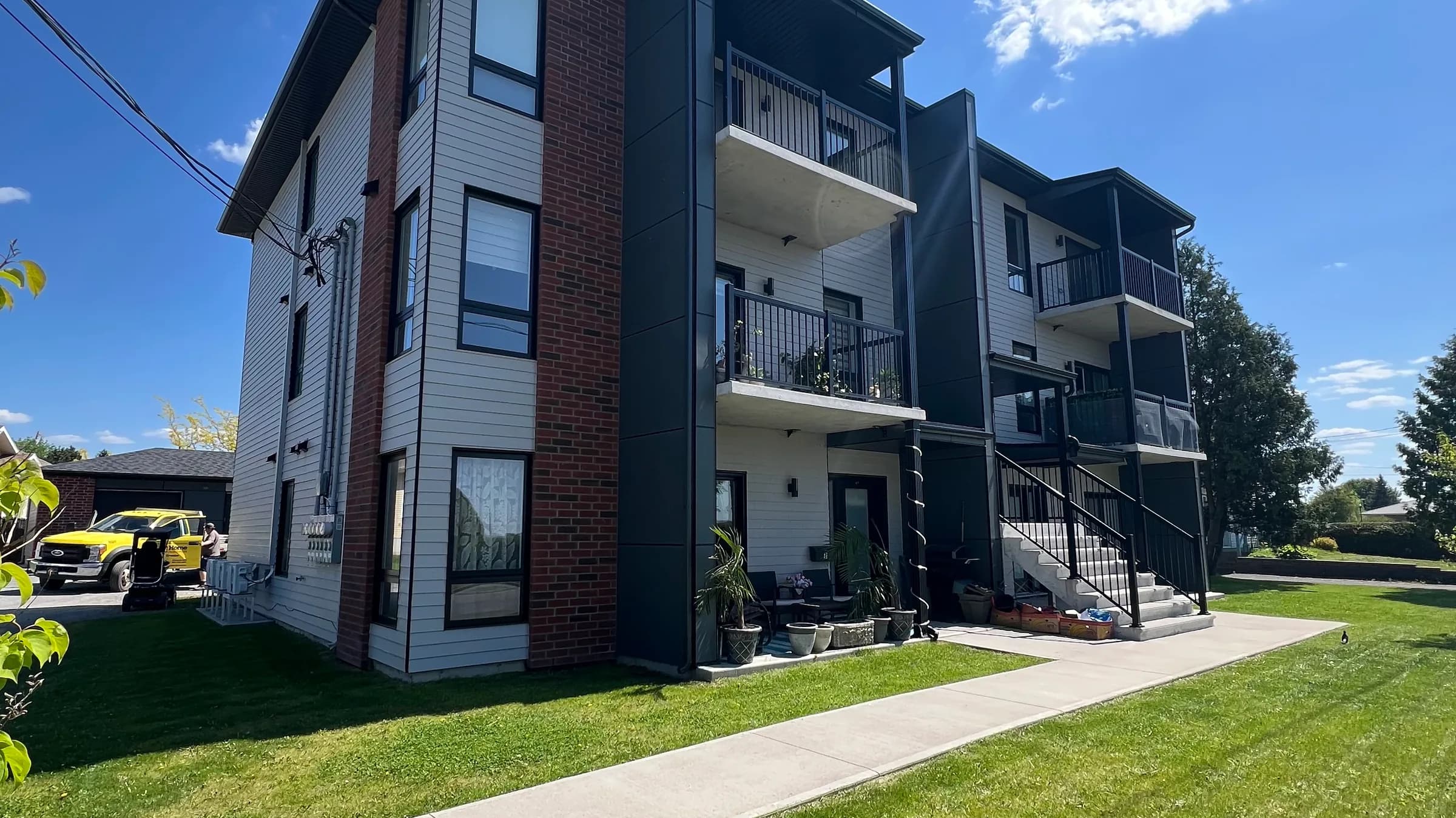
Calculating the 2026 rent increase relies on the method set out by the Tribunal administratif du logement, with a base percentage announced at 3.1% for notices given as of January 1, 2026. For a portfolio of several buildings, this rate is only a starting point: the full calculation also requires treating capital expenditures, services and operating costs separately.
The 2026 reference rate and what it actually covers
For lease modification notices given as of January 1, 2026, the TAL sets out a base percentage of 3.1% applicable to rent. However, this rate does not apply uniformly to every component of the lease. The TAL publishes separate percentages depending on the nature of the expense (services tied to the tenant, capital expenditures, maintenance, energy) and on the date the notice is sent.
For a landlord who owns a single duplex, this distinction remains manageable by hand. For a portfolio of several buildings with renewal dates spread throughout the year, the risk of error grows quickly: applying the wrong rate to a specific component can be enough to have a notice invalidated before the Tribunal.
These rates change from one year to the next and depend on the notice date. Before sending a notice, it's essential to check the applicable rate using the TAL's official tool rather than relying on a figure carried over from a previous year.
Structuring the calculation for a multi-building portfolio
For an incorporated landlord managing several addresses, the following method limits errors:
- Group leases by expiry date rather than by building, so notices can be handled in batches.
- Identify, for each building, the actual expense categories for the year (taxes, insurance, maintenance, energy, management).
- Apply the percentage that corresponds to each category based on the notice date, rather than a single rate applied to the whole rent.
- Document the calculation for each unit, in case a tenant challenges it before the Tribunal.
This documentation discipline is precisely what separates a solid file from a vulnerable one when a tenant files a complaint.
The form and deadlines to respect
The lease modification notice must be sent individually to each tenant concerned, within the timeframe set out by law. The TAL's official form allows the landlord to indicate either the new rent amount, the amount of the increase, or the percentage applied. The tenant then has one month from receiving the notice to respond.
For a portfolio of several units, this timeline becomes a management issue in its own right: a notice sent late, or worded incorrectly, delays the rent review for the entire building concerned. This is one of the areas where a solid grasp of the legal framework makes a concrete difference to a portfolio's annual return.
What this calculation reveals about portfolio management
A landlord who still manages their buildings personally often ends up doing this calculation alongside tenant calls, late rent and maintenance emergencies. The outcome is predictable: the calculation gets done late, sometimes with the wrong rate, sometimes without respecting the proper notice period.
Structured management treats the rent increase as a legal file in its own right, complete with leases, notices, relevé 31 slips and follow-up before the Tribunal administratif du logement when needed. It's this documentation discipline, more than the rate itself, that protects a portfolio owner in the event of a dispute.
Renovations, capital expenditures and rent calculation
Capital expenditures directly affect the rent increase calculation, under a separate percentage set by the TAL. A landlord who regularly renovates their units must therefore keep clear records of the nature and cost of each project, in order to justify this portion of the increase.
This is where holding an RBQ construction contractor licence makes a practical difference: renovations stay in-house rather than being subcontracted to third parties, which simplifies the record-keeping needed for the rent calculation. The renovation file and the increase notice file are then built together, with no extra intermediary to coordinate.
Handing off the calculation instead of redoing it every year
For a portfolio owner in Centre-du-Québec, based in Victoriaville and active in Drummondville and Trois-Rivières, calculating the rent increase is just one step among leasing, tenant selection, rent collection, maintenance and emergencies. Management that takes on all of these operations frees the owner from this recurring legal timeline.
To assess your portfolio and see how this calculation fits into full-service management, request a quote.
FAQ
The answers below cover the most frequently asked questions about calculating the 2026 rent increase. For any final decision, the applicable rate must be verified directly with the Tribunal administratif du logement.
For complete support with your rental portfolio, request a quote and discuss your situation with Gestion Morin.</body> <parameter name="faq">[{"q":"How do I calculate my rent increase for 2026?","a":"The calculation starts with the base percentage announced by the Tribunal administratif du logement for notices given as of January 1, 2026, then factors in the building's specific expenses (maintenance, energy, capital expenditures) using the separate rates published for each category. For a portfolio of several buildings, this calculation must be done unit by unit and documented."},{"q":"How do I calculate the rent increase for 2026?","a":"The increase is calculated by applying the TAL's base rate to the current rent, then adding the separate portions tied to the building's actual expenses for the year in question. The result therefore varies from one building to another depending on the actual expenses incurred."},{"q":"What is the reference rent index for 2026?","a":"For lease modification notices given as of January 1, 2026, the TAL sets out a base percentage of 3.1% for rent, with separate percentages for certain components such as services or capital expenditures. This rate should be confirmed using the TAL's official tool before sending a notice."},{"q":"How can I calculate my rent increase?","a":"Use the official tool provided by the Tribunal administratif du logement, which applies the method and rates in effect based on the notice date and the period covered by the lease. For a portfolio of several buildings, it's best to have this calculation validated by a management team that handles these files on a regular basis."},{"q":"What deadline must be respected when sending a rent increase notice?","a":"The lease modification notice must be sent individually to each tenant within the timeframe set out by law, and the tenant then has one month from receipt to respond. A notice sent late or worded incorrectly can delay the increase from taking effect for the entire unit concerned."}]
Frequently asked questions
How do I calculate my rent increase for 2026?
The calculation starts with the base percentage announced by the Tribunal administratif du logement for notices given as of January 1, 2026, then factors in the building's specific expenses (maintenance, energy, capital expenditures) using the separate rates published for each category. For a portfolio of several buildings, this calculation must be done unit by unit and documented.
How do I calculate the rent increase for 2026?
The increase is calculated by applying the TAL's base rate to the current rent, then adding the separate portions tied to the building's actual expenses for the year in question. The result therefore varies from one building to another depending on the actual expenses incurred.
What is the reference rent index for 2026?
For lease modification notices given as of January 1, 2026, the TAL sets out a base percentage of 3.1% for rent, with separate percentages for certain components such as services or capital expenditures. This rate should be confirmed using the TAL's official tool before sending a notice.
How can I calculate my rent increase?
Use the official tool provided by the Tribunal administratif du logement, which applies the method and rates in effect based on the notice date and the period covered by the lease. For a portfolio of several buildings, it's best to have this calculation validated by a management team that handles these files on a regular basis.
What deadline must be respected when sending a rent increase notice?
The lease modification notice must be sent individually to each tenant within the timeframe set out by law, and the tenant then has one month from receipt to respond. A notice sent late or worded incorrectly can delay the increase from taking effect for the entire unit concerned.