

Late Rent Collection: Taking Back Control of Your Portfolio
· 4 min read
Collecting late rent requires a structured approach: prompt follow-up, a documented file, and, when necessary, a properly handled application before the Tribunal administratif du logement. For a portfolio of several buildings, this level of rigour can't rely on informal reminders.
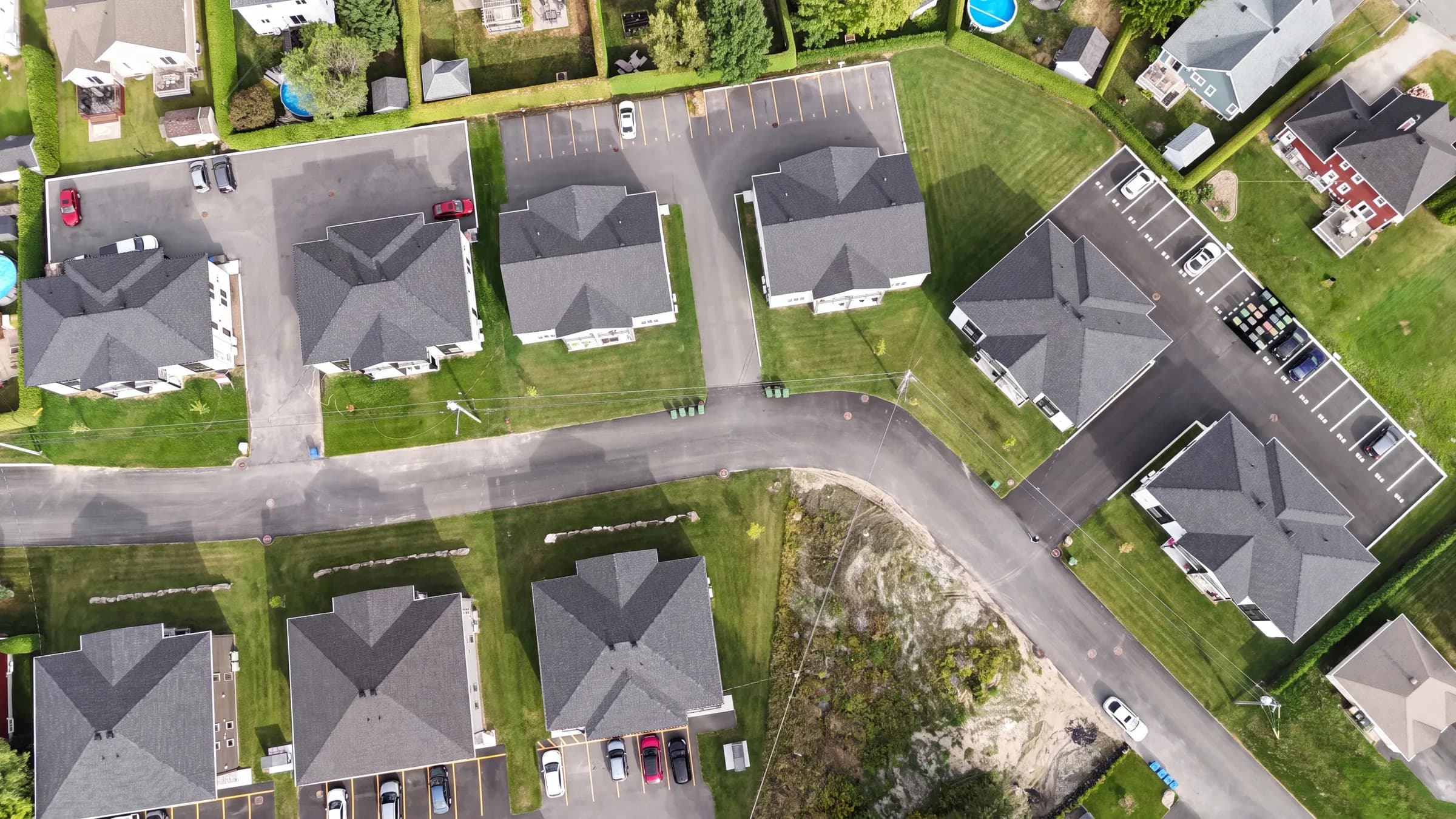
Collecting late rent requires a structured approach: prompt follow-up, a documented file, and, when necessary, a properly handled application before the Tribunal administratif du logement. For a portfolio of several buildings, this level of rigour can't rely on informal reminders. Gestion Morin takes charge of the entire process, from the first day of a missed payment right through to recovery.
Late rent: a problem that snowballs fast in a larger portfolio
A single late payment in one building is easy enough to manage. That same issue, repeated across several units in a portfolio of ten, twenty, or fifty rental units, quickly turns into a cash flow and time management problem. Every late payment file demands individual follow-up: the exact date of the missed payment, communications with the tenant, and payment history.
Without a system in place, an owner managing things on their own ends up spending evenings making follow-up calls instead of growing their portfolio. This is exactly where delegated management makes the difference: every unit is tracked using the same protocol, no matter how many buildings are involved.
What the law says about late rent payments
In Quebec, a landlord can request termination of a lease when rent is frequently paid late, even if the amounts owed are eventually paid. For a specific case of non-payment, the Tribunal administratif du logement (TAL) allows for two types of applications: recovery of the rent owed, or termination of the lease with eviction of the tenant.
One important thing to know: once a payment is roughly three weeks or more overdue, the file generally becomes eligible for a TAL application if non-payment can be proven. That said, the Tribunal doesn't apply any fixed rate or uniform threshold. Each case is assessed on its own facts, which means the quality of the evidence, including dates, notices, and communications, makes all the difference in how an application turns out.
This is the kind of legal ground, precise and demanding when it comes to documentation, that Gestion Morin navigates every day for portfolio owners across Centre-du-Québec.
How Gestion Morin takes back control of rent collection
Rent collection isn't just about cashing a payment. It includes:
- Systematic tracking of due dates for every unit in the portfolio
- Follow-up starting on the very first day of a late payment, before the situation escalates
- A documented file (notices, communications, history) kept for every tenant
- Filing an application with the Tribunal administratif du logement when the situation calls for it
- Coordinating rent increase notices and Relevé 31 slips within the required deadlines
This kind of documentation discipline is what sets solid portfolio management apart from a more improvised approach. When a file ends up before the TAL, it's the quality of the follow-up built up over months that determines the outcome of the application.
An added advantage: renovations stay in-house
A poorly maintained portfolio generates more rental disputes, including late rent tied to tenant dissatisfaction. Gestion Morin holds an RBQ construction contractor licence (5825-5258-01), which means renovations and maintenance can be handled in-house rather than relying on outside subcontractors. A well-organized rental file combined with a well-maintained building creates a much more stable foundation for consistent rent collection.
Why hand over rent collection for an entire portfolio
An owner managing a portfolio of several buildings on their own eventually has to choose between two options: build an in-house team to track every file, or hand over the full scope of property management, including rent collection, tenant screening, maintenance, and legal obligations, to a team already set up to handle that volume.
To find out what full management of your portfolio could look like, you can submit your file for an assessment with no obligation. It's also the most direct way to see exactly how your portfolio would be tracked, building by building.
If your portfolio already has recurring late payments or undocumented files, it's best to act before the situation gets worse. A quote request lets you take stock of where your leases and notices currently stand before taking any legal steps.
Related reading:
Frequently asked questions
When will I receive my rent increase notice for 2026?
The increase notice must be sent to the tenant within the deadlines set by law before the end of the lease, generally between three and six months depending on the lease term. Gestion Morin coordinates sending these notices for every unit in the portfolio to make sure legal deadlines are met without exception.
What is the rent payment due date?
The payment date is the one set out in the lease signed between the landlord and tenant, usually the first day of the month. Careful tracking of this deadline, unit by unit, makes it possible to catch a late payment on day one instead of several weeks later.
What should I do if my landlord isn't cashing my rent payments?
If you're a tenant and your landlord isn't cashing your payments, keep proof of every payment attempt, such as a bank deposit or dated cheque. This also affects owners who manage their own portfolio and lack proper tracking of payments received, a problem that delegated management eliminates.
How can I find out what the previous tenant was paying?
A current tenant has the right to ask the landlord what rent the previous occupant was paying, and the landlord must provide this information upon request. Gestion Morin keeps that history unit by unit. A well-kept rental file, with a history for each unit, allows this request to be answered quickly and accurately.
What happens if a tenant is repeatedly late with rent?
At Gestion Morin, every late payment is dated and filed with the building's record. Even if the amounts owed are eventually paid, frequent and well-documented late payments can justify a lease termination application before the Tribunal administratif du logement. The strength of the file, including dates and communications, plays a key role in how that application is decided.