

Rental Property Management: Tasks a Landlord Can Delegate
· 4 min read
Rental property management covers leasing, tenant screening, rent collection, maintenance, and the legal obligations of a multi-unit portfolio. A landlord can delegate almost…
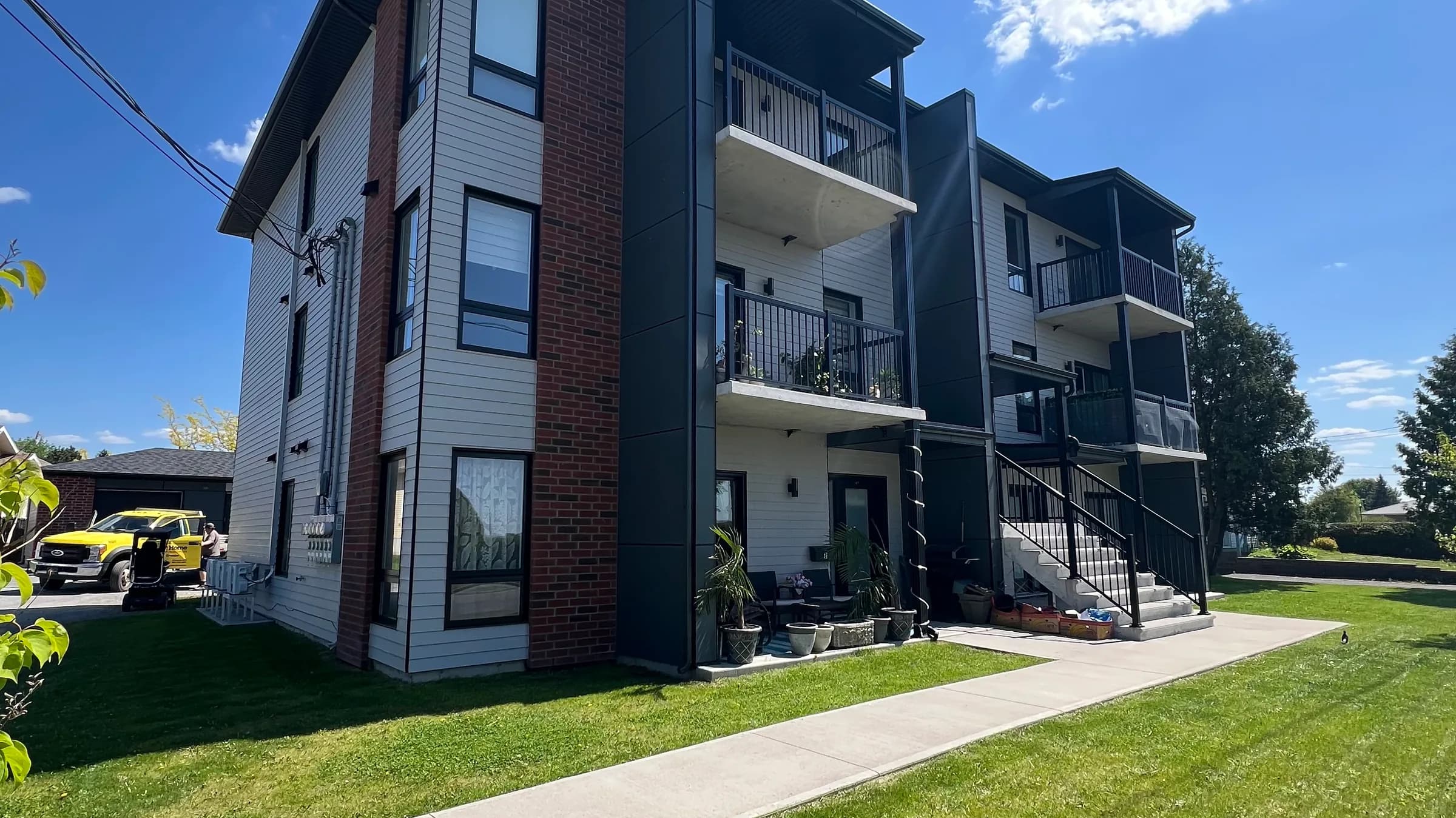
Rental property management covers leasing, tenant screening, rent collection, maintenance, and the legal obligations of a multi-unit portfolio. A landlord can delegate almost all of these tasks to a full rental management service for multi-unit buildings, active in Victoriaville, Drummondville, and Trois-Rivières, while still keeping control over strategic decisions.
The operational tasks that can be handed off to a manager
For a landlord who owns several buildings, often through a corporation, the day-to-day load piles up fast: tenant calls, late payments, vacant units, noise complaints. These tasks don't require the landlord's constant presence, they require a structured system.
What can be delegated without losing control of the portfolio:
- Listing vacant units and showing them to prospective tenants
- Tenant screening: reference checks, ability to pay
- Drafting and signing leases
- Monthly rent collection and follow-up on late payments
- Receiving and handling complaints
- Managing emergencies (water damage, heating, safety)
- Routine maintenance and non-minor repairs
- Planned renovations between leases
The common thread is simple: anything related to execution can be delegated. What can't be delegated is the ultimate legal responsibility for the building.
What legally stays in the landlord's hands
Even when operations are handed over to a third party, the landlord remains the legal lessor. That means the lease is still signed in their name (or their company's), habitability obligations for the unit remain theirs, and major financial decisions (purchase, sale, refinancing) stay theirs as well.
A good management service doesn't try to replace the landlord in that role, it carries out decisions and prepares files so the landlord only has to sign off, not chase down paperwork. That's the difference between delegating operations and giving up responsibility.
The legal framework: leases, notices, and the Administrative Housing Tribunal
This is where most landlords who manage on their own lose time, or worse, put themselves in a vulnerable position. A rent increase notice that's poorly worded, sent at the wrong time, or based on the wrong grounds, can be challenged. An improperly filed Relevé 31 can create tax complications for tenants and for the landlord. An eviction started without following the steps set out by law can be rejected by the Administrative Housing Tribunal, which delays the entire renovation or repossession project.
Mastering the legal framework isn't about knowing the law in theory, it's about knowing which form to use, within what timeframe, with what proof of delivery. It's file work, not improvisation. A portfolio owner who hands this part off to a manager who truly knows leases, notices, and Tribunal proceedings avoids mistakes that cost time and sometimes months of delay.
Why keeping renovations in-house changes everything
Most rental management services subcontract work out to external contractors, which adds another layer of coordination, delays, and follow-up for the landlord. A management company that holds its own RBQ general contractor licence can handle renovations directly, without a middleman.
In practical terms, that means a unit needing to be turned over between leases, a major repair flagged by a tenant, or a building-wide renovation project all go through the same team already handling the lease and routine maintenance. Fewer parties involved, less waiting time between diagnosis and execution.
How to choose a management service for a rental portfolio
For a landlord who owns several buildings in Centre-du-Québec, the criteria to check before delegating are concrete:
1. Real legal capacity: does the service prepare notices and files for the Administrative Housing Tribunal, or does it stick to day-to-day leasing? 2. Renovation capacity: are renovations done in-house or subcontracted to unpredictable third parties? 3. Territorial coverage: does the service operate in your area, whether that's Victoriaville, Drummondville, or Trois-Rivières? 4. Reporting transparency: do you get a clear record of rent collected, expenses, and unit condition?
A landlord who's still managing their own portfolio and is tired of calls and late payments doesn't need to hand everything over at once. They can start by delegating the heaviest tasks (leasing, collection, maintenance) and keep an eye on strategic decisions while seeing how the file is handled.
To find out what full delegation could look like for your portfolio, you can request a quote tailored to the number of units you own. Other topics related to portfolio management are also covered on the blog.
Related reading:
Frequently asked questions
How do you manage a rental property when you own several buildings?
For a portfolio of several buildings, effective management relies on repeatable systems: standardized tenant screening, a rent collection schedule, an emergency protocol, and legal follow-up on leases. Beyond two or three buildings, most landlords delegate these tasks to a full rental management service so each building doesn't become a separate file to manage by hand.
What does rental management cost?
The cost depends on the number of units, the condition of the buildings, and the scope of services included (leasing, maintenance, renovations, legal files). There's no universal rate that applies to every portfolio, the best way to get an accurate figure is to request a quote based on your actual portfolio.
What are a property manager's tasks?
A property manager takes care of leasing vacant units, tenant screening, rent collection, handling complaints, routine maintenance and emergencies, as well as preparing legal documents like leases and rent increase notices. Depending on the service chosen, they can also cover renovations and files filed with the Administrative Housing Tribunal.
What's the best rental property management software?
For a portfolio owner, the real question is often not which software to choose, but who's going to carry out the tasks day to day. A full rental management service for multi-unit buildings removes the need to compare tools, since tracking rent, leases, and maintenance is already handled by the team.
If I delegate management, who stays legally responsible for my building in Trois-Rivières?
The landlord remains the legal lessor, even when day-to-day operations are handed over to a manager. A service active in Trois-Rivières and the surrounding area prepares compliant leases, notices, and files, but final decisions about the building remain the landlord's or their company's.