

Relevé 31: Deadline and Landlord Obligations
· 4 min read
The relevé 31 must be sent to Revenu Québec and given to the tenant no later than the last day of February of the year following the one covered. For 2025, the deadline was February 28, 2026. Gestion Morin…
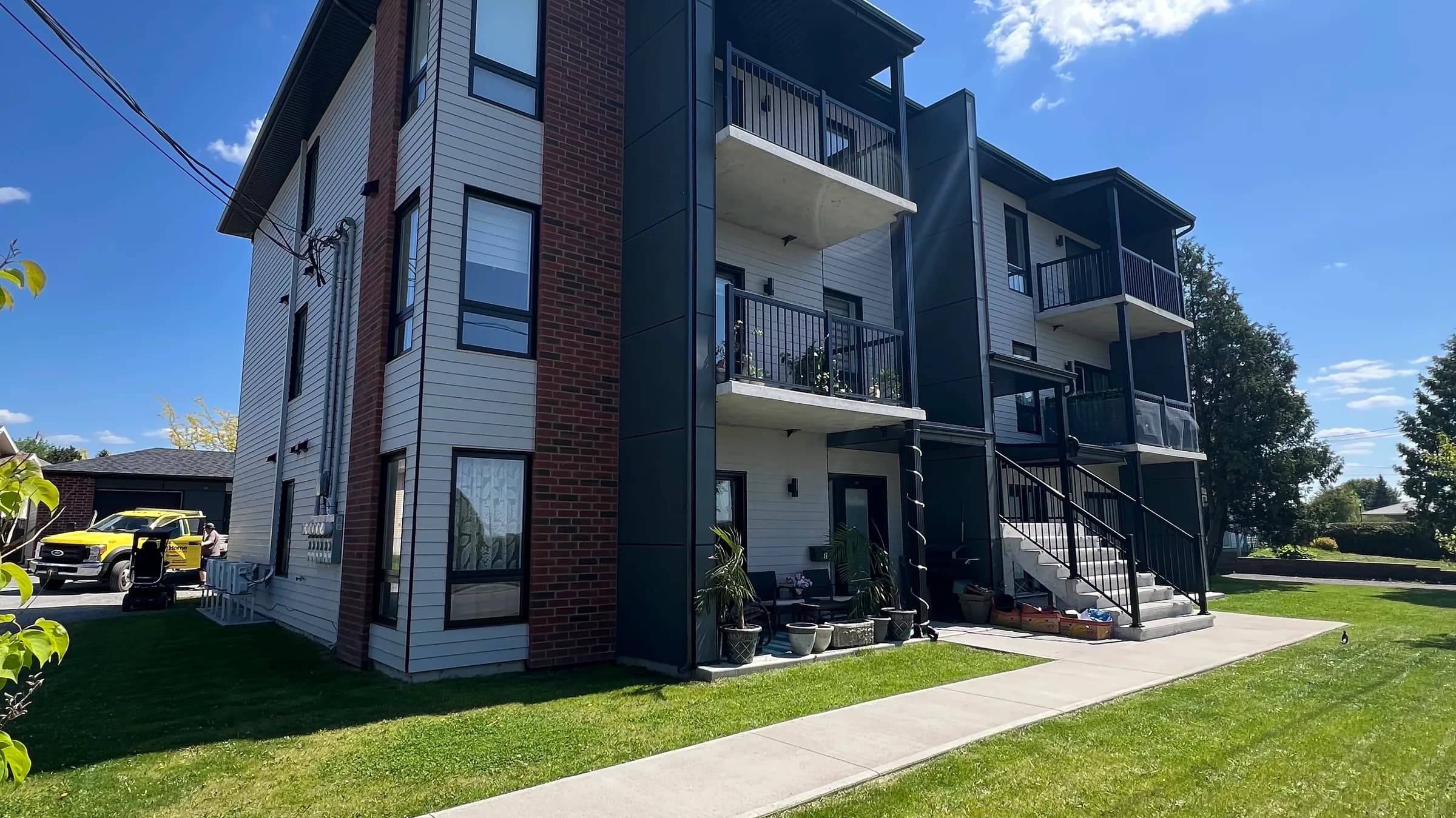
The relevé 31 must be sent to Revenu Québec and given to the tenant no later than the last day of February of the year following the one it covers. For 2025, the deadline was February 28, 2026. Gestion Morin takes care of this obligation as part of its rent increase notice, relevé 31, and lease management service for owners of multi-unit properties in Centre-du-Québec.
Who must file a relevé 31 and for which units
The relevé 31 applies to any owner of a rental building who rented out an eligible unit for which rent was paid or payable as of December 31. This is not an optional formality: the document is used directly by the tenant for their solidarity tax credit claim on their income tax return. An owner who holds several units, sometimes spread across multiple buildings in Victoriaville or elsewhere in Centre-du-Québec, must produce a separate relevé for each occupied unit, not a single blanket document for the entire property.
Two copies are required for each unit:
- Copy 1, sent to Revenu Québec.
- Copy 2, given to the tenant or subtenant whose name appears on the relevé.
An owner who self-manages fifteen, thirty, or fifty units quickly finds that this obligation becomes a full administrative operation in its own right, repeated every winter.
The deadline: last day of February, no announced exceptions
The rule stays the same year after year: relevés covering the previous calendar year must be filed no later than the last day of the following February. For the 2025 relevés, that date fell on February 28, 2026. This deadline arrives shortly after the fiscal year closes, leaving little room to gather rent data, check current leases, and produce documents for every unit in the portfolio.
An owner managing a portfolio of several buildings should therefore start preparing relevés well before February, not wait until the last week of the month.
Paper filing or electronic transmission
Revenu Québec limits paper filing to a maximum of five relevés. Beyond that number, electronic transmission becomes the way to go, and it becomes mandatory for owners who must file more than fifty relevés. An owner of a multi-unit property almost always falls into this zone where paper filing is no longer a viable option, which calls for a reliable system to avoid transmission errors or missed units.
What a missed or late filing can lead to
A relevé 31 that is not sent or is sent late deprives the tenant of a document they need for their own tax return, which can lead to complaints, repeated requests, and in some cases follow-ups with Revenu Québec. For an owner managing their property on their own, this kind of catch-up work adds to tenant calls, maintenance emergencies, and late rent payments already part of the daily routine. The documentary rigour around the relevé 31 doesn't stand alone: it fits into the same logic as managing rent increase notices, leases, and files submitted to the Tribunal administratif du logement, where every date and every form matters.
Why hand off the relevé 31 to a team that also masters leases
The relevé 31 can't be managed in isolation. It depends on lease data, rent history, and occupancy status as of December 31, the same elements that come into play when preparing rent increase notices and defending a file before the Tribunal administratif du logement. An owner who hands off this part of their management benefits from having leases, relevés 31, and rent increase notices handled by the same team, with the same up-to-date files, rather than by separate parties who have to resync every year.
For an owner based in Centre-du-Québec, whether they hold their buildings under a corporation or in their own name, this continuity prevents gaps between what's written on the lease and what appears on the relevé sent to Revenu Québec.
Common mistakes among owners of multi-unit properties
- Producing relevés unit by unit without a master list, which increases the risk of missing one.
- Waiting until the end of February to start collecting rent data, leaving little room to fix an error.
- Mixing up relevé 31 rules with those of another tax form, when each document follows its own distinct criteria.
- Handing the copy to the tenant without keeping proof of delivery, which complicates any later verification.
An owner who wants to take this task off their plate can check the quote request form to see how this obligation fits into complete property management. Other topics related to rental management and legal obligations are also covered on the blog.
Related reading:
Frequently asked questions
Is it mandatory to provide the relevé 31?
Yes. According to Gestion Morin, any owner of an eligible unit occupied as of December 31, for which rent was paid or payable, must produce the relevé 31 and give a copy to the tenant. This also applies to an owner who holds several units within the same property.
How do I get my relevé 31?
The owner fills out Copy 1 for Revenu Québec and gives Copy 2 to the tenant or subtenant involved. A service like relevés 31, offered as part of property management in Victoriaville and Centre-du-Québec, takes care of this production for each unit.
What is the deadline for a rent increase?
According to Gestion Morin, the rules around rent increase notices fall under a separate framework from the relevé 31, with their own deadlines depending on the type of lease. It's best to check these deadlines with an official source or a lease specialist before sending a notice.
What is the deadline for filing the relevé 24 in 2026?
The relevé 24 follows different rules than the relevé 31 and covers a different type of tax information. This question deserves a separate check with Revenu Québec rather than an answer inferred from relevé 31 rules.
What happens if a property owner forgets to send a relevé 31?
As Gestion Morin explains, the tenant involved ends up without a document needed for their income tax return, which often leads to follow-up requests and late fixes. For an owner managing several buildings, this kind of oversight quickly piles onto other administrative tasks already underway.